News

HIWU oversees testing, educating stakeholders on the ADMC Program, accrediting laboratories, investigating potential violations, and prosecuting any such violations

News

Latest News and Developments from the Horseracing Integrity & Welfare Unit in the Thoroughbred Industry.

Category

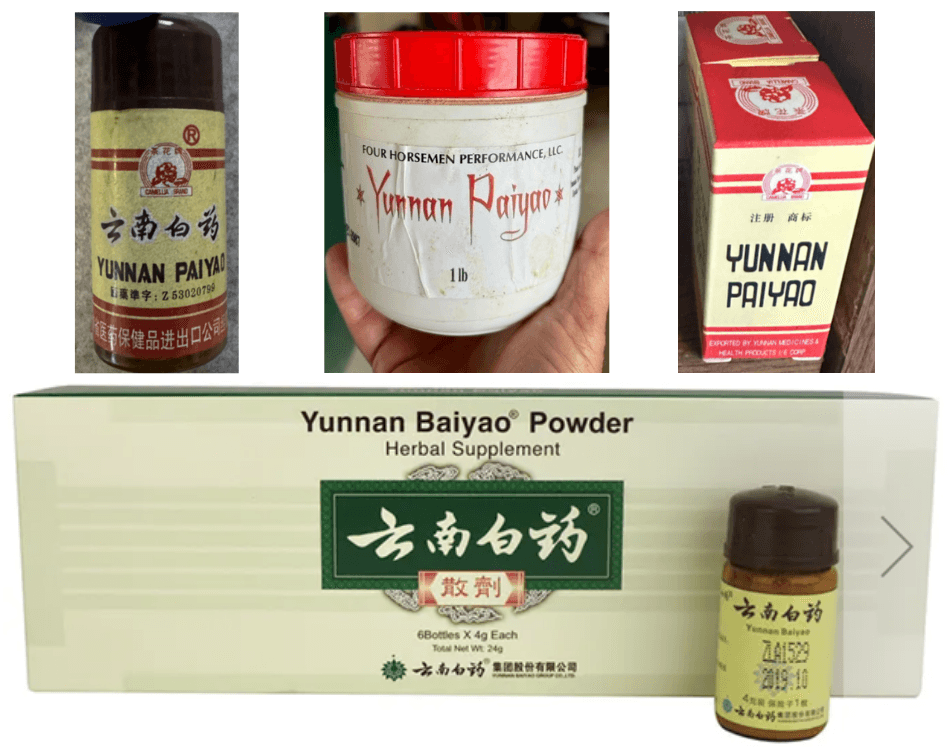
Yunnan Paiyao - New Cover
Outreach

Horsemen’s Advisory: Yunnan Baiyao / Yunnan Paiyao

Horsemen’s Advisory: Yunnan Baiyao / Yunnan Paiyao Following up on an advisory distributed in January 2024, HIWU strongly advises horsemen to dispose of any variations of the herbal products that may be identified on the labels as Yunnan Paiyao, Yunnan Baiyao, and/or Baiyao. HIWU continues to find these supplements during searches despite the risks associated with them. In testing various forms of these products, which are manufactured in the United States and abroad, both Banned Substances (e.g., boldione, glaucine, higenamine, and adenosine monophosphate) and Controlled Medications (e.g., ephedrine) have been reported in analyzed samples despite not being listed on the ingredient labels. Continued use of these products may put horsemen at risk of a positive test. As a reminder, supplements manufactured in the United States or elsewhere are not regulated by the United States Food and Drug Administration; horsemen and veterinarians use them at their own risk. Additional resources are available on the HIWU website: Dietary Supplements- What You Should Know What's the Scoop on Dietary Supplements? By applying caution and conducting due diligence before purchasing or using dietary supplements, horsemen can ensure that they are doing their best to minimize the risk of unintentionally exposing their horses to Prohibited Substances. For questions or to get in touch with HIWU’s Science team, please contact sciencesupport@hiwu.org.

Following up on an advisory distributed in January 2024, HIWU strongly advises horsemen to dispose of any variations of the herbal products that may be identified on the labels as Yunnan Paiyao, Yunnan Baiyao, and/or Baiyao. HIWU continues to find these supplements during searches despite the risks associated with them.

VIEW MORE

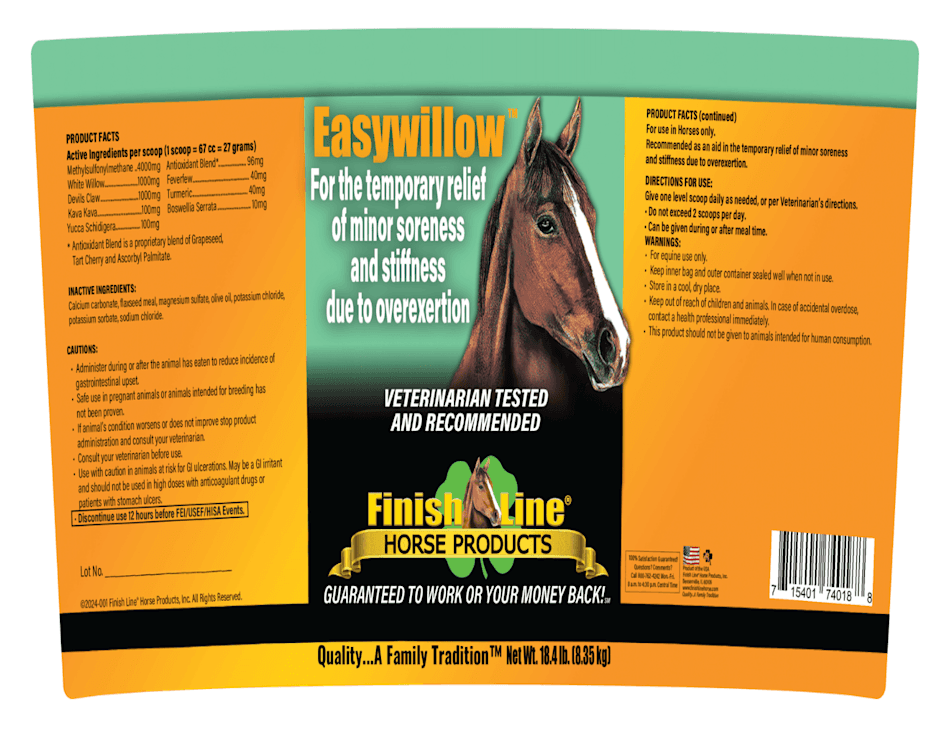
EasyWillow Label - Cover
Outreach

Horsemen’s Advisory: Conducting Due Diligence on Dietary Supplement Products

In recent months, HIWU has adjudicated multiple cases under HISA's Anti-Doping and Medication Control (ADMC) Program in relation to the dietary supplement Easywillow. Easywillow’s ingredient label lists Kava Kava, which is an explicitly named S0 Banned Substance under its other names, Kava and Piper Methysticum. As a courtesy to horsemen and veterinarians, please be reminded of regulations and resources regarding the use of dietary supplements: •While the ADMC Program does permit the possession and use of dietary supplements such as vitamins, minerals, herbs, and homeopathic products, horsemen and veterinarians use these products at their own risk. Dietary supplements manufactured in the United States or elsewhere are not regulated or evaluated by the FDA for safety, purity, stability, potency, or efficacy prior to their sale. • HISA and HIWU do not approve, certify, or endorse dietary supplements or other feed products as being permitted under the ADMC Program. However, HIWU offers resources for horsemen and veterinarians to help them feel more confident in the products that they give to their horses: o HIWU’s substance lookup tool, available at hiwu.org or via the HIWU app, can be used to search for individual ingredients listed on a product’s label; supplement product names are not included. o Horsemen and veterinarians should be aware that the absence of a specific ingredient name in the lookup tool / on the Prohibited List does not guarantee that the ingredient is not a Prohibited Substance. For example, Prohibited Substances like Kava Kava may go by or be sold under multiple names. HIWU continually updates the lookup tool to reflect new substance names but cannot guarantee that the tool is exhaustive of every possible option. o When in doubt, HIWU’s Science team can confirm whether or not a product’s ingredient label lists any Prohibited Substances. Please note that HIWU’s confirmation of the absence of Prohibited Substances on the label does not guarantee the absence of Prohibited Substances in the product itself, for HIWU has sent supplements for testing that came back positive for Prohibited Substances that were not listed on the label. Additional resources are available on the HIWU website: Dietary Supplements- What You Should Know What's the Scoop on Dietary Supplements? By applying caution and conducting due diligence before purchasing or using dietary supplements, horsemen can ensure that they are doing their best to minimize the risk of unintentionally exposing their horses to Prohibited Substances. For questions or to get in touch with HIWU’s Science team, please contact sciencesupport@hiwu.org

HIWU has adjudicated multiple cases under HISA's Anti-Doping and Medication Control (ADMC) Program in relation to the dietary supplement Easywillow. Easywillow’s ingredient label lists Kava Kava, which is an explicitly named S0 Banned Substance under its other names, Kava and Piper Methysticum.

VIEW MORE

HIWU Annual Report 2025 Cover Thumbnail
Announcements

HIWU Releases 2025 Annual Report

The Horseracing Integrity & Welfare Unit (HIWU) announced today the release of its 2025 Annual Report. The full report is available here. The Annual Report details HIWU’s organization-wide activities as the independent enforcement agency of the Horseracing Integrity and Safety Authority’s (HISA) Anti-Doping and Medication Control (ADMC) Program. Among the highlights are statistics on testing, results management, the adjudication of cases, investigations, and educational efforts. In addition to extensive ADMC data, the 2025 Annual Report summarizes new procedures, programs, and technologies that were incorporated last year to further enhance the ADMC Program. Among the significant additions were the launch of the HISA Equine Analytical Laboratory (HEAL) Accreditation Program, standardization of sample collection equipment nationwide, and development of a Learning Management System for training and recertifying Sample Collection Personnel. “HIWU’s 2025 Annual Report reflects our team’s continued success in administering HISA’s ADMC Program,” said Ben Mosier, executive director for HIWU. “With our role in the Thoroughbred industry now established, we have been able to invest in meaningful projects that will ensure a professional, effective, and fair Program that will benefit racing participants for years to come.” All Annual Reports and Quarterly Statistics are archived in the About Us section of the HIWU website at hiwu.org for viewing anytime. About the Horseracing Integrity & Welfare Unit The Horseracing Integrity & Welfare Unit (HIWU) was established in 2022 by Drug Free Sport International to administer the rules and enforcement mechanisms of the Horseracing Integrity and Safety Authority’s (HISA) Anti-Doping and Medication Control (ADMC) Program. The ADMC Program established a centralized testing and results management process that applies uniform penalties for violations efficiently and consistently across all American Thoroughbred racing jurisdictions that HISA governs. As the enforcement agency of the ADMC Program, HIWU oversees all testing processes, including the selection of horses to be tested, training of sample collection personnel, and chain-of-custody procedures. Additionally, HIWU is charged with industry/stakeholder education, laboratory accreditation, results management and adjudication, and investigations. For more information, please visit hiwu.org. Contact: Alexa Ravit, HIWU Director of Communications & Outreach  (816) 516-9572  aravit@hiwu.org 

VIEW MORE

Website Lab Image Green Tops
Announcements

HIWU Suspends Probationary HEAL Accreditation for Analytical Toxicology Laboratory at the Ohio Department of Agriculture

The Horseracing Integrity & Welfare Unit (HIWU) announced today that it has suspended the probationary Horseracing Integrity and Safety Authority (HISA) Equine Analytical Laboratory (HEAL) accreditation status of the Analytical Toxicology Laboratory at the Ohio Department of Agriculture (“Ohio Lab”) for a minimum of six months, starting February 9, 2026. Samples collected in Ohio are being sent to the Kenneth L. Maddy Equine Analytical Chemistry Laboratory at the University of California, Davis for analysis. HIWU’s independent Laboratory Expert Group, which evaluates the performance of Program laboratories, recommended the suspension of the Ohio Lab’s probationary HEAL accreditation due to nonconformities associated with HEAL compliance. HIWU, in consultation with its Laboratory Expert Group, will review the Ohio Lab’s response to this suspension and associated corrective actions. Probationary accreditation status will not be restored unless and until the laboratory is in full compliance with HEAL. HIWU’s review of the Ohio Lab is ongoing, and any impact on resolved or pending ADMC Program cases will be publicly disclosed in accordance with Program rules. The HEAL accreditation program was implemented on January 1, 2025, and is the national laboratory accreditation program established by HISA’s Anti-Doping and Medication Control Program. Overseen by HIWU, it builds on the foundations of the ISO 17025 and Racing Medication & Testing Consortium models and requires a robust External Quality Assessment Scheme to ensure that Program laboratories maintain HEAL standards. About the Horseracing Integrity & Welfare Unit The Horseracing Integrity & Welfare Unit (HIWU) was established in 2022 by Drug Free Sport International to administer the rules and enforcement mechanisms of the Horseracing Integrity and Safety Authority’s (HISA) Anti-Doping and Medication Control (ADMC) Program. The ADMC Program established a centralized testing and results management process that applies uniform penalties for violations efficiently and consistently across all American Thoroughbred racing jurisdictions that HISA governs. As the enforcement agency of the ADMC Program, HIWU oversees all testing processes, including the selection of horses to be tested, training of sample collection personnel, and chain-of-custody procedures. Additionally, HIWU is charged with industry/stakeholder education, laboratory accreditation, results management and adjudication, and investigations. For more information, please visit hiwu.org. Contact: Alexa Ravit, HIWU Director of Communications & Outreach  (816) 516-9572  aravit@hiwu.org 

VIEW MORE

Article image
Announcements

HISA and HIWU Announce Proposed Updates to Testing Specifications for Metformin in Response to Recommendations from the RMTC’s Scientific Advisory Committee

As part of the Horseracing Integrity and Safety Authority’s (HISA) and Horseracing Integrity & Welfare Unit’s (HIWU) ongoing commitment to developing and enforcing rules based on current scientific and veterinary evidence, both organizations are pleased to announce today that HISA’s Anti-Doping and Medication Control (ADMC) Committee has recommended the adoption of a Minimum Reporting Level (MRL) for the Banned Substance metformin in the latest version of proposed modifications to the ADMC Program Rules, which will be circulated for public comment in the coming days. The proposed MRL is 4.0 nanograms per milliliter in blood and is based on recommendations received at HISA and HIWU’s request from the Racing Medication & Testing Consortium’s (RMTC) Scientific Advisory Committee (SAC). Pre-HISA, the Association of Racing Commissioners International’s (ARCI) Model Rules categorized metformin as a Prohibited Substance, but there was not a published testing specification for it, which meant that reported findings were determined by an individual laboratory’s Limit of Detection for the substance. As such, enforcement of metformin lacked uniformity and consistency among the states. Once HIWU assumed control of the ADMC Program, the testing specifications for metformin were harmonized based on the capabilities of Program laboratories at 0.5 nanograms per milliliter in blood and 1 nanogram per milliliter in urine. This ensured that all laboratories were testing at the same level, thus maintaining fairness for horsemen regardless of where they race. Following a series of positive test results (i.e., Adverse Analytical Findings, or AAFs) for metformin and intelligence received by HIWU that trainers were intentionally administering metformin to Covered Horses to enhance performance, HISA and HIWU asked the RMTC's SAC to conduct an independent review of the available science relating to metformin in June 2024 to determine if it was appropriate to modify the regulation of this substance. During this period, HIWU stayed the prosecution of all unresolved and new cases involving potential Presence violations (i.e., positive tests) for metformin, although there have been zero reported AAFs in 2025 while testing at 0.5 nanograms per milliliter in blood and 1 nanogram per milliliter in urine. The SAC’s investigation consisted of an initial review of the existing scientific literature followed by a three-part study performed by Dr. Heather Knych with the K.L. Maddy Equine Analytical Chemistry Laboratory at the University of California (UC), Davis School of Veterinary Medicine. The research completed by Dr. Knych and her team has resulted in three manuscripts that have all been submitted for scientific publication, the first of which, “Metformin in the Horse: Pharmacokinetics and Detection Times Using Monte Carlo Simulations," has been accepted for publication in Drug Testing and Analysis. The manuscripts describe the pharmacokinetics (i.e., how the body interacts with a substance) of metformin following a single intravenous and oral administration in the horse; the pharmacokinetics of metformin in various blood matrices, including partitioning into equine red blood cells; and the potential for detection of metformin in blood and urine samples following a horse’s exposure to metformin-contaminated urine and shavings. The SAC agreed that an MRL of 4.0 nanograms per milliliter in blood reflects exposure to metformin due to intentional administration and minimizes the possibility of a reported AAF due to inadvertent exposure. Dr. Knych’s administration study determined that metformin demonstrates an erratic elimination behavior in urine and an inconsistent relationship between urine and blood concentrations. Therefore, the SAC recommended that laboratories perform confirmatory analysis in blood only. “We are thankful to UC Davis, Dr. Knych, and her team for performing groundbreaking research on metformin. HISA and HIWU’s call for this review of metformin aligns with our mandate to utilize science when making regulatory decisions to prioritize safety, integrity, welfare, and fairness,” said HIWU Executive Director Ben Mosier. “Additionally, we appreciate our ongoing collaboration with the RMTC’s SAC to facilitate these research projects and ultimately enhance the effectiveness of the ADMC Program.” There are currently nine unresolved (and therefore stayed) Presence cases for metformin. They will continue to be stayed pending the Federal Trade Commission’s approval of the new MRL. If approved, this change will not impact cases that were resolved prior to the June 2024 announcement and involved violations of the rules and testing specifications in effect at the time. Metformin, which has no valid veterinary use in the racehorse, will remain a Banned Substance. The Presence, Use, Administration, Possession, or Trafficking of any Banned Substance is subject to a period of Ineligibility of up to two years, a fine of up to $25,000, the disqualification of race results (as applicable), and public disclosure. Horsemen are encouraged to maintain best practices for stable hygiene in their training operations to minimize the risk of inadvertent exposure to metformin and other Prohibited Substances. About the Horseracing Integrity and Safety Authority When the Horseracing Integrity and Safety Act was signed into federal law, it charged the Horseracing Integrity and Safety Authority (HISA) with drafting and enforcing uniform safety and integrity rules in Thoroughbred racing in the U.S. Overseen by the Federal Trade Commission (FTC), HISA is implementing, for the first time, a national, uniform set of rules applicable to every Thoroughbred racing participant and racetrack facility. HISA is comprised of two programs: the Racetrack Safety Program, which went into effect on July 1, 2022; and the Anti-Doping and Medication Control (ADMC) Program, which went into effect on May 22, 2023. The Racetrack Safety Program includes operational safety rules and national racetrack accreditation standards that seek to enhance equine welfare and minimize equine and jockey injury. The Program expands veterinary oversight, imposes surface maintenance and testing requirements, enhances jockey safety, regulates riding crop use, and implements voided claim rules, among other important measures. The ADMC Program includes a centralized testing and results management process and applies uniform penalties for violations efficiently and consistently across the United States. These rules and enforcement mechanisms are administered by an independent agency, the Horseracing Integrity & Welfare Unit (HIWU), established by Drug Free Sport International (DFSI). About the Horseracing Integrity & Welfare Unit The Horseracing Integrity & Welfare Unit (HIWU) was established in 2022 by Drug Free Sport International to administer the rules and enforcement mechanisms of the Horseracing Integrity and Safety Authority’s (HISA) Anti-Doping and Medication Control (ADMC) Program. The ADMC Program established a centralized testing and results management process that applies uniform penalties for violations efficiently and consistently across all American Thoroughbred racing jurisdictions that HISA governs. As the enforcement agency of the ADMC Program, HIWU oversees all testing processes, including the selection of horses to be tested, training of sample collection personnel, and chain-of-custody procedures. Additionally, HIWU is charged with industry/stakeholder education, laboratory accreditation, results management and adjudication, and investigations. For more information, please visit hiwu.org. Contact: Alexa Ravit, Director of Communications & Outreach (816) 516-9572 aravit@hiwu.org

HISA and HIWU Announce Proposed Updates to Testing Specifications for Metformin

VIEW MORE

0Z84336-min
Outreach

Horsemen's Advisory: N-Butyl-Alcohol

In recent months, HIWU has been informed of the reported use of N-Butyl-Alcohol, which may be sold under product names such as Clotol, Clot All, Butanol, or N-Butyl-Alcohol. Horsemen should be aware that N-Butyl-Alcohol meets the criteria of an S0 Banned Substance under HISA’s Anti-Doping and Medication Control (ADMC) Program because it is not FDA-approved for use in any species and does not have a valid veterinary use in the horse. It is therefore a Banned Substance. The intravenous administration of large doses of N-Butyl-Alcohol may also compromise horse welfare. This substance will be formally added to HISA’s Prohibited List as a Banned Substance in the next iteration of the ADMC Program Rules. In the interim, Covered Persons should dispose of any products containing N-Butyl-Alcohol immediately to avoid future potential Anti-Doping Rule Violations, which will be enforced starting in January 2026. As a reminder, the Presence, Use, Administration, Possession, or Trafficking of any Banned Substance is subject to a period of Ineligibility of up to two years, a fine of up to $25,000, the disqualification of race results (as applicable), and public disclosure. Horsemen or veterinarians with questions should reach out to sciencesupport@hiwu.org.

N-Butyl-Alcohol meets the criteria of an S0 Banned Substance under HISA’s Anti-Doping and Medication Control (ADMC) Program because it is not FDA-approved for use in any species and does not have a valid veterinary use in the horse.

VIEW MORE

0Z84492-min
Announcements

Equine Integrity and Anti-Doping Sciences Labs Granted Probationary HEAL Accreditation

The Horseracing Integrity & Welfare Unit (HIWU) announced today that Equine Integrity and Anti-Doping Sciences (EQIAS) Labs has been granted probationary Horseracing Integrity and Safety Authority Equine Analytical Laboratory (HEAL) accreditation and will start accepting Anti-Doping and Medication Control (ADMC) Program samples, effective immediately. EQIAS Labs, formerly known as the University of Kentucky Equine Analytical Chemistry Laboratory, is no longer managed by the university and is now operated by Eagle Diagnostics, an affiliate of The Sports Medicine Research and Testing Laboratory (SMRTL). EQIAS Labs applied for HEAL accreditation after the laboratory achieved interim Racing Medication & Testing Consortium accreditation under the University of Kentucky in December 2024. EQIAS Labs submitted detailed documentation demonstrating its qualifications and capabilities to perform the testing required under the ADMC Program in compliance with the Program Rules. Additionally, HIWU conducted a site visit and directed the distribution of multiple External Quality Assessment Scheme samples to EQIAS Labs for analysis. All documentation and assessments were reviewed by the three members of the independent Laboratory Expert Group, who voted to approve EQIAS Labs for probationary HEAL accreditation. The Laboratory Expert Group is required by the ADMC Program Rules and evaluates the performance of Program laboratories, in addition to providing HIWU with advice and recommendations regarding the overall management of HEAL accreditation and the Equine Laboratory Standards included in the ADMC Program Rules. “HIWU is excited to partner with EQIAS Labs and renew ADMC Program testing in Kentucky,” said Ben Mosier, HIWU’s executive director. “We are confident that EQIAS Labs will utilize the best of both equine and human anti-doping science and will be a positive addition to our Program.” EQIAS Labs is led by Dr. Travis Mays, who spent more than 20 years at the Texas A&M Veterinary Medical Diagnostic Laboratory, while SMRTL is a global industry leader in human drug testing and is accredited by the World Anti-Doping Agency. EQIAS Labs will be analyzing ADMC Program samples collected in Kentucky, as well as assigned B Samples. The full list of Program laboratories is published on the HIWU website. About the Horseracing Integrity & Welfare Unit The Horseracing Integrity & Welfare Unit (HIWU) was established in 2022 by Drug Free Sport International to administer the rules and enforcement mechanisms of the Horseracing Integrity and Safety Authority’s (HISA) Anti-Doping and Medication Control (ADMC) Program. The ADMC Program established a centralized testing and results management process that applies uniform penalties for violations efficiently and consistently across all American Thoroughbred racing jurisdictions that HISA governs. As the enforcement agency of the ADMC Program, HIWU oversees all testing processes, including the selection of horses to be tested, training of sample collection personnel, and chain-of-custody procedures. Additionally, HIWU is charged with industry/stakeholder education, laboratory accreditation, results management and adjudication, and investigations. For more information, please visit hiwu.org. Contact: Alexa Ravit, Director of Communications & Outreach (816) 516-9572 aravit@hiwu.org

VIEW MORE

0Z84495-min
Announcements

HIWU Suspends Probationary HEAL Accreditation of Pennsylvania Equine Toxicology and Research Laboratory

The Horseracing Integrity & Welfare Unit (HIWU) announced today that it has suspended the Pennsylvania Equine Toxicology and Research Laboratory’s (PETRL) probationary Horseracing Integrity and Safety Authority (HISA) Equine Analytical Laboratory (HEAL) accreditation status for a minimum of six months, beginning July 8, 2025. Effective immediately, samples collected in Pennsylvania are being sent to Industrial Laboratories for analysis. HIWU’s independent Laboratory Expert Group, which evaluates the performance of Program laboratories, recommended the suspension of PETRL’s probationary HEAL accreditation due to nonconformities associated with HEAL compliance. HIWU, in consultation with its Laboratory Expert Group, will review PETRL’s response to this suspension and associated corrective actions. Probationary accreditation status will not be restored unless and until the laboratory is in full compliance with HEAL. HIWU’s review of PETRL is ongoing, and any impact on resolved or pending ADMC Program cases will be publicly disclosed in accordance with Program rules. The HEAL accreditation program was implemented on January 1, 2025, and is the national laboratory accreditation program established by HISA’s Anti-Doping and Medication Control Program. Overseen by HIWU, it builds on the foundations of the ISO 17025 and Racing Medication & Testing Consortium models and requires a robust External Quality Assessment Scheme to ensure that Program laboratories maintain HEAL standards. About the Horseracing Integrity & Welfare Unit The Horseracing Integrity & Welfare Unit (HIWU) was established in 2022 by Drug Free Sport International to administer the rules and enforcement mechanisms of the Horseracing Integrity and Safety Authority’s (HISA) Anti-Doping and Medication Control (ADMC) Program. The ADMC Program established a centralized testing and results management process that applies uniform penalties for violations efficiently and consistently across all American Thoroughbred racing jurisdictions that HISA governs. As the enforcement agency of the ADMC Program, HIWU oversees all testing processes, including the selection of horses to be tested, training of sample collection personnel, and chain-of-custody procedures. Additionally, HIWU is charged with industry/stakeholder education, laboratory accreditation, results management and adjudication, and investigations. For more information, please visit hiwu.org. Contact: Alexa Ravit, HIWU Director of Communications & Outreach  (816) 516-9572  aravit@hiwu.org 

VIEW MORE

0Z84477-min
Announcements

Dr. Mary Scollay Retires from HIWU; Dr. Michael Hardy Named Acting Chief of Science

The Horseracing Integrity & Welfare Unit (HIWU) announced today that Dr. Mary Scollay, HIWU’s chief of science, has retired from full-time duties, effective immediately. She will continue to serve as a consultant for HIWU. “Dr. Scollay was integral to the creation of HIWU and the launch and enforcement of the Horseracing Integrity and Safety Authority’s (HISA) Anti-Doping and Medication Control (ADMC) Program,” said Ben Mosier, executive director of HIWU. “In the three-plus years since our first introduction at Turfway Park’s test barn, her contributions have been immeasurable. “The entire HIWU team is thankful for Dr. Scollay’s service on behalf of the Thoroughbred industry, and we are grateful that we will continue to benefit from her expertise as a consultant.” Before joining HIWU, Scollay was a member of HISA’s inaugural ADMC Committee. She also served as the Racing Medication & Testing Consortium’s (RMTC) executive director and chief operating officer for three years, where she directed the advancement of world-class laboratory drug testing standards, promotion of RMTC-recommended rules and penalties for prohibited substances and therapeutic medications, monitoring of emerging threats to the integrity of racing and the health and welfare of racehorses, and administrative oversight of RMTC-funded research projects and educational programs. Prior to leading the RMTC, Scollay was a regulatory veterinarian for more than 30 years, including 11 years serving as the Kentucky Horse Racing Commission’s equine medical director. She piloted the program that became known as The Jockey Club’s Equine Injury Database (EID), which was the first North American database to track equine injuries and fatalities. The EID was the sole source of equine injury data until HISA began releasing safety metrics reports in 2024,and it continues to be an important source of information for improving safety and reducing injuries. HIWU's Science department will now transition to be under the leadership of Dr. Michael Hardy, who assumes the position of acting chief of science. For the immediate future, Hardy will also maintain his role as executive director of the RMTC to ensure the organization continues to meet the needs of the racing industry. “HIWU has enjoyed a productive relationship with Dr. Hardy in his role at the RMTC, and we are excited for him to join our team,” said Mosier. “We are confident that he will build on our successes thus far to promote laboratory harmonization and facilitate research into novel substances that pose a threat to safety, integrity, and welfare.” Hardy joins HIWU after spending nearly three years as the executive director of the RMTC. A member of HISA’s Horsemen’s Advisory Group, he spent more than a decade as a regulatory veterinarian, including serving as the chief association veterinarian and safety director at Horseshoe Indianapolis. He is also a member of the Breeders’ Cup Veterinary Panel and has served on the Horseracing Testing Laboratory Committee and RegVets Continuing Education Program’s Committee for the RMTC. About the Horseracing Integrity & Welfare Unit The Horseracing Integrity & Welfare Unit (HIWU) was established in 2022 by Drug Free Sport International to administer the rules and enforcement mechanisms of the Horseracing Integrity and Safety Authority’s (HISA) Anti-Doping and Medication Control (ADMC) Program. The ADMC Program established a centralized testing and results management process that applies uniform penalties for violations efficiently and consistently across all American Thoroughbred racing jurisdictions that HISA governs. As the enforcement agency of the ADMC Program, HIWU oversees all testing processes, including the selection of horses to be tested, training of sample collection personnel, and chain-of-custody procedures. Additionally, HIWU is charged with industry/stakeholder education, laboratory accreditation, results management and adjudication, and investigations. For more information, please visit hiwu.org. About the Racing Medication & Testing Consortium The RMTC is a 501(c) 3 organization comprised of 23 industry stakeholder organizations with a shared commitment to engage in research, education, and advocacy for science-based initiatives that promote the health and safety of the racehorse and the integrity of competition. More information can be found at RMTCnet.com. Contact: Alexa Ravit, HIWU Director of Communications & Outreach  (816) 516-9572  aravit@hiwu.org 

VIEW MORE

Outreach

Horsemen Reminders: Electrolytes

With summer officially underway, HIWU would like to remind horsemen and veterinarians of regulations regarding the administration of electrolytes within 48 and 24 hours of a race or Vets’ List workout: Permitted at any time: • Salt and mineral blocks. • Unsupplemented isotonic electrolyte solutions that may be consumed by free choice by the horse, i.e., providing a second water bucket in the stall that has been supplemented with electrolytes. Permitted up to 24 hours before a race or Vets’ List workout: • Electrolytes that are administered orally. Examples that fall in this category include powders that are top-dressed or mixed in the feed, as well as electrolytes administered via paste. • Unsupplemented isotonic electrolyte solutions administered intravenously such as Lactated Ringer’s solution. • Electrolyte patches.* Permitted up to 48 hours before a race or Vets’ List workout: • Electrolytes administered via nasogastric (stomach) tube. *Since electrolyte patches are not consumed “free choice” by a horse in feed or water, their use is prohibited within 24 hours of a race or Vets’ List workout The restrictions above only apply in relation to races and Vets' List workouts. Outside of those circumstances, electrolytes may be administered at any time. The above information can also be found in HIWU’s Electrolyte Guidance resource on our website and app. Please direct any questions to sciencesupport@hiwu.org. Yours, The HIWU Team

VIEW MORE

0Z84478-min
Outreach

Horsemen’s Advisory: Adenosine and Hemo 15

In recent months, HIWU has adjudicated several cases under the Anti-Doping and Medication Control (ADMC) Program related to adenosine, a vasodilator, and Hemo 15, a foreign product that lacks FDA approval. Neither substance has any valid veterinary use in the racehorse. Both substances are categorized as an S0 Non-Approved Banned Substance and therefore are prohibited from Use in a Covered Horse or Possession by a Covered Person at all times. Hemo 15 and any compounded product mimicking Hemo 15, as well as any products containing adenosine, adenosine monophosphate (AMP), or adenosine triphosphate (ATP)* should be disposed of immediately. As a reminder, the Presence, Use, Administration, Possession, or Trafficking of any Banned Substance is subject to a period of Ineligibility of up to two years, a fine of up to $25,000, the disqualification of race results (as applicable), and public disclosure. Horsemen or veterinarians with questions should reach out to sciencesupport@hiwu.org. *Adenosine is also a component of AMP and ATP.

VIEW MORE

Article image
Announcements

HIWU Releases 2024 Annual Report

The Horseracing Integrity & Welfare Unit (HIWU) announced today the release of its 2024 Annual Report. The full report is available here. The Annual Report details HIWU’s organization-wide activities as the independent enforcement agency of the Horseracing Integrity and Safety Authority’s (HISA) Anti-Doping and Medication Control (ADMC) Program. Among the highlights are statistics on testing, results management, the adjudication of cases, investigations, and educational efforts. The 2024 Annual Report introduces expanded testing statistics by state and racetrack, including the number of samples collected for each test type. Additionally, it reveals shorter turnaround times for results reporting compared to 2023, showcases the impact of HIWU’s investigative efforts, and reports a consistently low rate of Adverse Analytical Findings for Controlled Medications, demonstrating that the vast majority of Covered Persons are complying with the ADMC Program Rules. “HIWU’s successes in 2024 reflect the dedication of our team and the entire Thoroughbred industry,” said Ben Mosier, executive director for HIWU. “The collaboration between HIWU and industry stakeholders enabled us to build on the ADMC Program’s strong foundation that was established in 2023. HISA’s reported record-low fatality numbers last year indicate that we are fulfilling our mandates to enhance equine safety and welfare and promote the integrity of racing.” All Annual Reports and Quarterly Statistics are archived in the About Us section of the HIWU website at hiwu.org for viewing anytime. About the Horseracing Integrity & Welfare Unit The Horseracing Integrity & Welfare Unit (HIWU) was established in 2022 by Drug Free Sport International to administer the rules and enforcement mechanisms of the Horseracing Integrity and Safety Authority’s (HISA) Anti-Doping and Medication Control (ADMC) Program. The ADMC Program established a centralized testing and results management process that applies uniform penalties for violations efficiently and consistently across all American Thoroughbred racing jurisdictions that HISA governs. As the enforcement agency of the ADMC Program, HIWU oversees all testing processes, including the selection of horses to be tested, training of sample collection personnel, and chain-of-custody procedures. Additionally, HIWU is charged with industry/stakeholder education, laboratory accreditation, results management and adjudication, and investigations. For more information, please visit hiwu.org. Contact: Alexa Ravit, HIWU Director of Communications & Outreach  (816) 516-9572  aravit@hiwu.org

HIWU's Annual Report provides an overview of the organization's activities as the independent enforcement agency of the Horseracing Integrity and Safety Authority's Anti-Doping and Medication Control Program

VIEW MORE